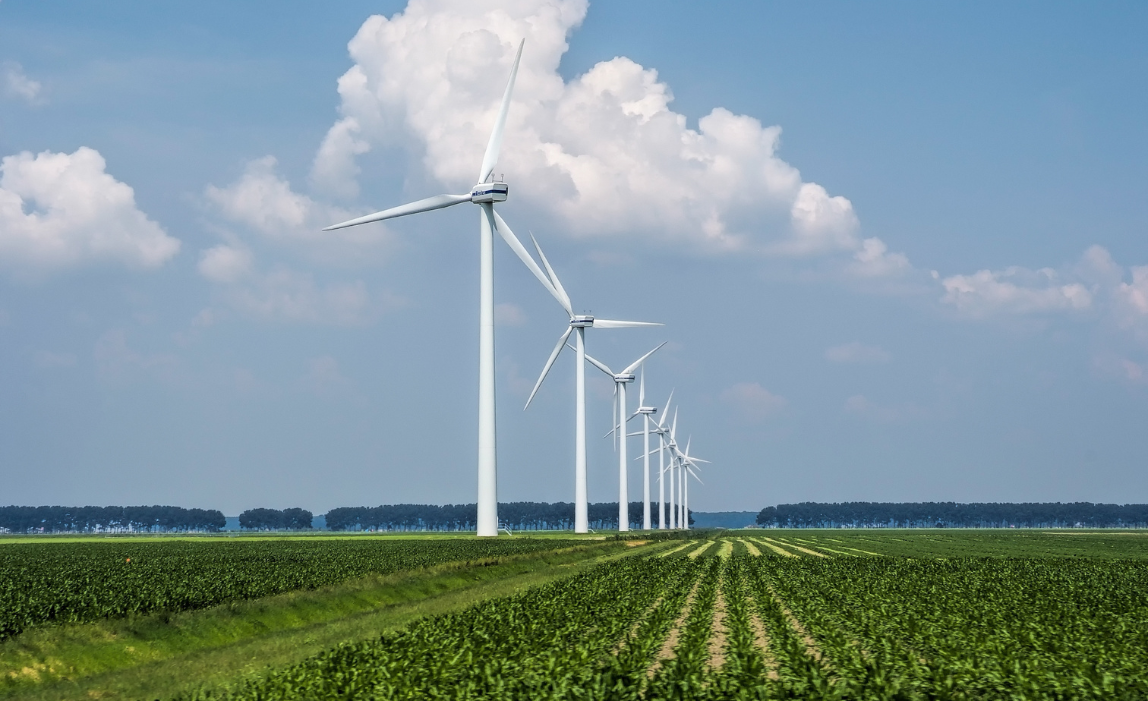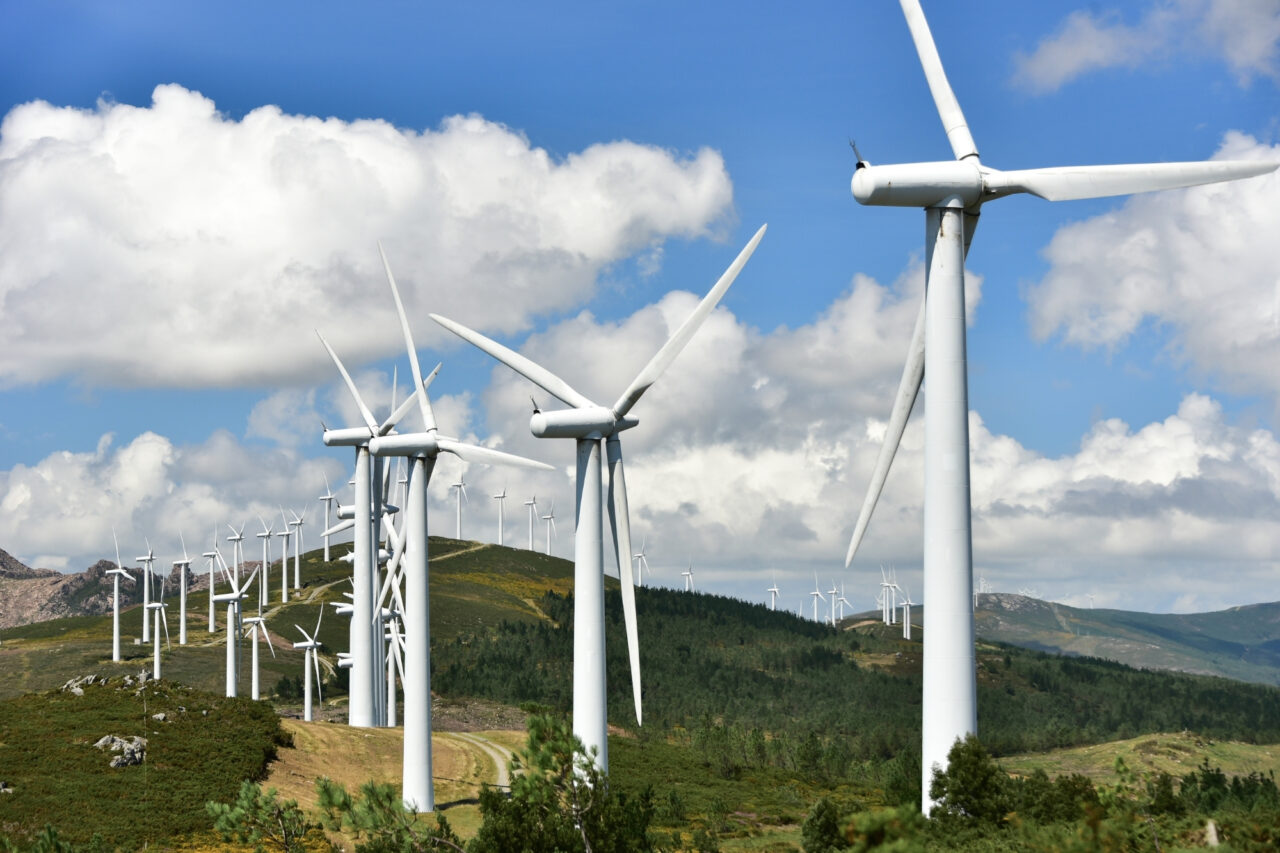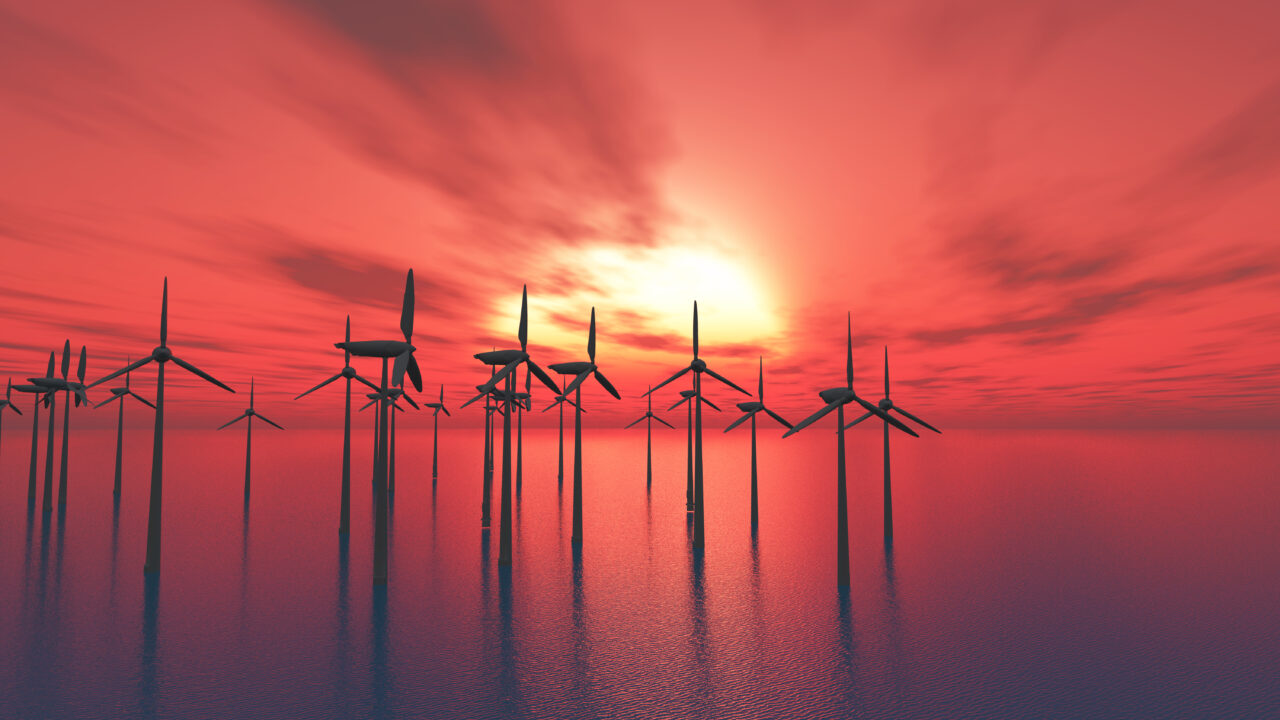
West Africa has reached a major milestone in the clean energy sector as the region’s first offshore wind farm officially broke ground this year. Located off the coast of Ghana, the project is set to generate over 120 megawatts (MW) of electricity upon completion, offering a powerful alternative to the region’s heavily fossil-fueled power grid.
This landmark project, known as the Gulf Wind Initiative, is backed by a consortium of African and European investors, along with technical support from the African Development Bank and the International Renewable Energy Agency (IRENA). Construction will span 36 months, with phased rollout beginning as early as 2026.
Offshore wind is relatively new to sub-Saharan Africa due to high costs and technical challenges. However, recent technological advancements and increased investor interest have made the prospect more viable. The wind speeds along Ghana’s Atlantic coast are consistent and strong, averaging 7.5 to 9 m/s, which is optimal for large turbines.
What makes this initiative even more significant is its potential to serve as a model for neighboring coastal nations, including Nigeria, Senegal, and Ivory Coast, all of which have large untapped offshore wind potential.
In addition to its power-generating capacity, the wind farm is projected to create over 1,200 direct jobs during construction and another 300 long-term operational positions. It will also reduce CO₂ emissions by more than 200,000 tons annually.
With this development, West Africa joins the growing global movement toward offshore wind energy. While it may be the first, it certainly won’t be the last, as governments and investors look to clean, scalable solutions to address Africa’s energy needs and climate commitments.