Global renewable energy capacity surged to a record 5,149 gigawatts (GW) in 2025, following the addition of 692GW of new capacity during the year, according to the latest Renewable Capacity Statistics 2026 report released by the International Renewable Energy Agency (IRENA).
The report reveals that renewable energy accounted for 85.6 per cent of all new power capacity added globally in 2025, further cementing its dominance in the world’s energy transition and highlighting the accelerating shift away from fossil fuels.
The milestone comes at a time of heightened geopolitical uncertainty, particularly amid tensions in the Middle East, which continue to expose the vulnerabilities of fossil fuel-dependent energy systems and global energy markets.
IRENA noted that renewable energy technologies offer countries a more secure and resilient energy future due to their local availability, declining costs and rapid deployment capabilities.
Commenting on the findings, IRENA Director-General, Francesco La Camera, said renewable energy continues to demonstrate remarkable resilience despite growing global uncertainty.
“In times of geopolitical volatility and economic uncertainty, renewable energy remains a stable and dependable growth sector,” La Camera said.
He noted that countries investing in clean energy infrastructure are increasingly insulated from external shocks, benefiting from enhanced energy security, stronger economic competitiveness and reduced exposure to volatile fossil fuel markets.
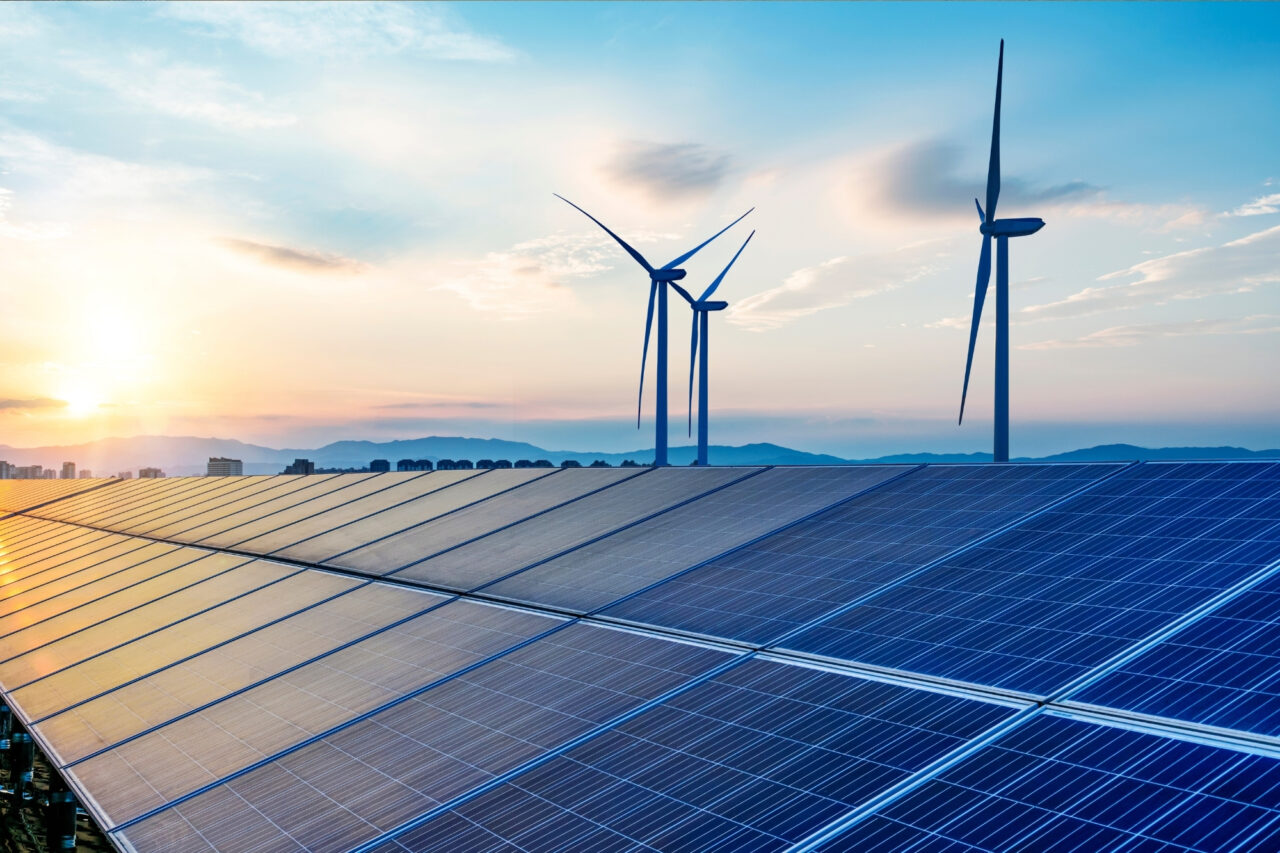
Solar power remained the primary driver of global renewable energy expansion, contributing 511GW equivalent to nearly 75 per cent of all renewable capacity added during the year. The growth was largely fueled by the continued expansion of solar photovoltaic (PV) installations worldwide.
Wind energy followed with an additional 159GW, meaning that solar and wind together accounted for almost 97 per cent of all renewable energy capacity added globally in 2025.
Other renewable technologies, including hydropower, bioenergy and geothermal energy, recorded comparatively modest growth during the period.
Despite the record expansion, IRENA highlighted significant regional disparities in renewable energy deployment.
Asia remained the dominant force in the global renewable energy market, accounting for 74.2 per cent of all new capacity additions. China continued to lead global deployment, contributing a substantial share of both solar and wind installations.
Europe retained its position as the second-largest renewable energy market, while regions such as Central America and the Caribbean recorded comparatively slower growth.
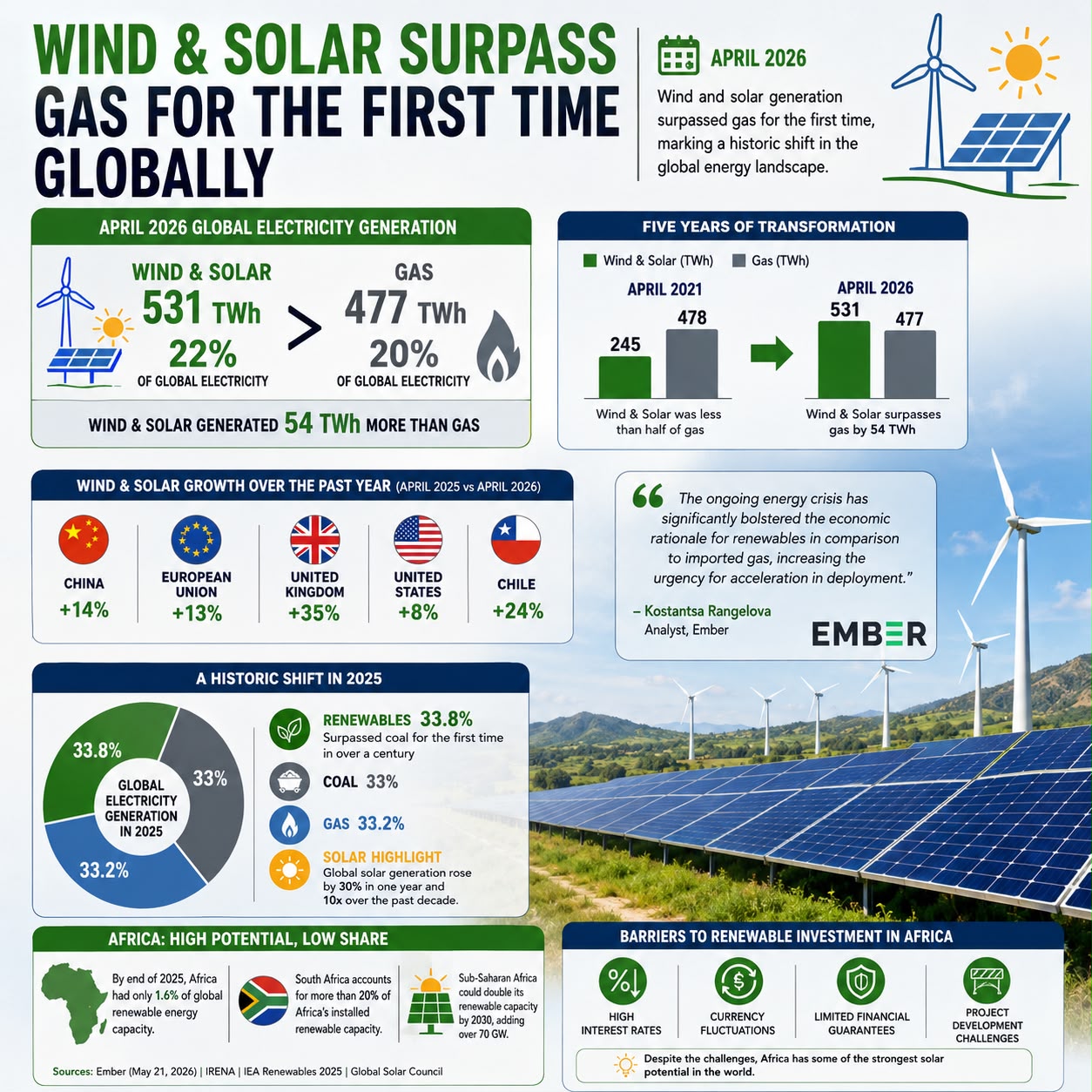
Africa, however, achieved its strongest annual renewable energy expansion on record. The continent added 11.3GW of new renewable capacity in 2025, representing a growth rate of 15.9 per cent compared to the previous year.
The increase was driven largely by major investments in countries including Ethiopia, South Africa and Egypt, underscoring the growing momentum behind clean energy development across the continent.
Nevertheless, Africa’s overall contribution to global renewable energy capacity remains relatively small, reflecting persistent structural challenges such as limited access to financing, inadequate grid infrastructure and inconsistent policy frameworks.
The report also reinforces concerns over Nigeria’s relatively slow pace of energy transition despite its vast renewable energy potential.
Although discussions around restricting solar panel imports have generated debate, stakeholders continue to argue that expanding solar and off-grid renewable energy solutions offers one of the fastest and most cost-effective pathways to improving electricity access across the country.
Nigeria remains heavily dependent on gas-fired generation while grappling with chronic electricity shortages that continue to constrain economic growth and development.
IRENA further reported growth in off-grid renewable electricity systems, which added 1.7GW globally in 2025, with solar accounting for the overwhelming majority of installations.
The trend is particularly significant for sub-Saharan Africa, where millions of people still lack access to reliable electricity and where decentralized renewable energy systems are increasingly viewed as a critical solution for bridging the energy access gap.
As countries seek to strengthen energy security, reduce emissions and build more resilient economies, the report suggests that renewable energy is no longer simply an environmental imperative—it is rapidly becoming a strategic economic and geopolitical necessity.