Global energy investment is projected to reach a record $3.4 trillion in 2026, with electricity infrastructure, renewable energy, energy storage and nuclear power accounting for the majority of spending as investment in fossil fuels continues to lose momentum, according to the International Energy Agency’s (IEA) latest World Energy Investment 2026 report.
The Paris-based agency estimates that approximately $2.2 trillion will be directed towards electricity grids, battery storage, low-emissions fuels, renewable energy projects, nuclear power, energy efficiency and electrification technologies this year.
In comparison, investment in fossil fuels including oil, natural gas and coal is expected to total around $1.2 trillion, highlighting a significant shift in global energy priorities as countries increasingly channel capital towards cleaner and more resilient energy systems.
According to the report, investment in electricity supply and related infrastructure is expected to reach nearly $1.6 trillion in 2026, rising to almost $2 trillion when spending on end-use electrification technologies is included.
Electricity grid investment alone is projected to approach $550 billion this year, representing almost 20 per cent year-on-year growth, while global spending on battery storage is expected to exceed $100 billion.
The IEA noted that mounting concerns over energy security, geopolitical instability and supply-chain disruptions are driving governments and investors to prioritise domestic energy production and strengthen electricity networks.
Renewable energy remains one of the largest beneficiaries of this transition. Global investment in renewable power projects is expected to reach approximately $665 billion in 2026, with solar energy attracting about $365 billion—more than any other power generation technology.
Although the pace of growth has moderated following several years of rapid expansion, low-emissions technologies continue to dominate global power sector spending, accounting for more than 70 per cent of total investment in electricity generation.
Nuclear energy is also experiencing a strong resurgence. Annual investment in the sector has now surpassed $80 billion, while nearly 80 gigawatts of new nuclear generating capacity are currently under construction across 15 countries.
In contrast, investment in crude oil projects is expected to decline for the third consecutive year, falling below $500 billion despite elevated global oil prices.
The IEA attributed the downturn to uncertainty surrounding the longevity of current price increases, lengthy project development timelines, supply-chain bottlenecks and tighter conditions in offshore drilling markets.
Natural gas, however, continues to attract significant capital. Investment in gas projects is projected to reach $330 billion in 2026, marking the highest level recorded in a decade.
Coal investment is also expected to increase sharply, reaching $180 billion this year—the highest level since 2012. China alone accounts for nearly 70 per cent of global spending on coal supply, while several Asian economies are extending the operational life of existing coal-fired power plants to bolster energy security.
Beyond power generation, the report estimates that approximately $350 billion is being invested globally each year in energy efficiency improvements. More than 20 countries have announced new efficiency policies in response to ongoing disruptions in global energy markets.
Despite the strong investment outlook, the IEA cautioned that geopolitical tensions, trade fragmentation and market volatility continue to pose significant risks to future energy projects, particularly in emerging and developing economies where financing costs remain substantially higher than in advanced markets.
The report also identified artificial intelligence and the rapid expansion of data centres as emerging drivers of energy demand and investment, with growing implications for electricity infrastructure planning worldwide.
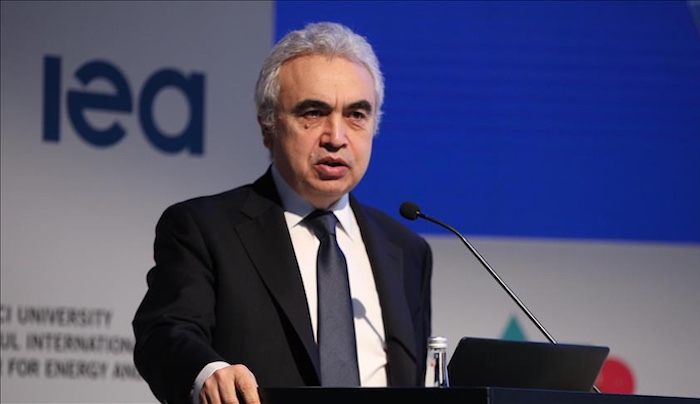
Commenting on the outlook, IEA Executive Director, Fatih Birol, said the world is undergoing a fundamental transformation in the way energy investments are being prioritised.
“We are in the midst of the largest energy security crisis the world has ever faced, and I believe this will reshape investment strategies globally, with parallels to the major changes the energy sector witnessed following the oil shocks of the 1970s,” Birol said.
He noted that both energy-producing and energy-consuming nations are accelerating efforts to diversify supply chains, develop new trade routes and expand critical energy infrastructure in response to evolving geopolitical realities.
As governments seek to balance energy security, affordability and sustainability, the report suggests that the global energy investment landscape is increasingly being shaped by electricity, clean technologies and resilience-focused infrastructure rather than traditional fossil fuel development.