


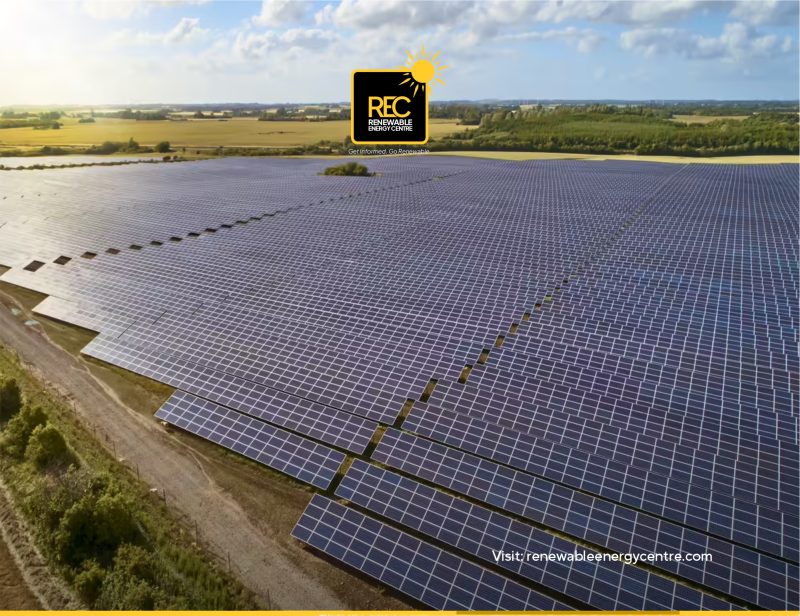
Ivory Coast on Friday inaugurated a new 52.4-megawatt, MW, solar power plant in the north of the country, marking another major step in the government’s drive to expand clean energy and meet climate goals set in 2021.
The Ferke Solar plant, located in Ferkessedougou, was officially opened in a ceremony attended by government officials, energy sector stakeholders, and development partners.
Mines Minister Mamadou Sangafowa Coulibaly, who commissioned the facility, said the project reflects the administration’s commitment to diversifying the national electricity mix and accelerating the energy transition.
“Today’s ceremony fits perfectly with the strategy for Ivory Coast… namely to accelerate the country’s energy transition by diversifying its electricity mix through the expansion of renewable energy capacity,” Coulibaly said at the event.
According to PFO Africa, the Ivorian infrastructure investment group behind the project, the plant will supply electricity to 370,000 households and directly serve about 2 million people, primarily in the northern Ferkessedougou region and surrounding communities.
The company noted that the new solar facility will help reduce pressure on the national grid in the north, an area that has historically faced power supply challenges. It is also expected to lower transmission losses and improve energy reliability for homes, businesses, and public institutions in the region.
Construction of the plant was financed by PFO Energies, a subsidiary of PFO Africa. The group holds 100 per cent Ivorian shareholding.
The Ferke Solar plant will operate on a Build-Own-Operate-Transfer, BOOT, basis. Under the arrangement, PFO Energies will build, own, and operate the plant for a defined period before transferring ownership to the Ivorian government.
Officials said the model is designed to attract private investment into the power sector while ensuring that critical energy infrastructure eventually comes under state control.
The launch comes as Ivory Coast, the world’s largest cocoa producer, seeks to reposition itself as a leading electricity supplier in West Africa. The government aims to have 46 per cent of its electricity mix come from renewable sources by 2035, up from current levels dominated by thermal generation.
Ivory Coast currently has an installed power capacity of roughly 3,000 MW. The bulk of this is generated from oil and gas-fired plants.
Beyond meeting domestic demand, the country already exports electricity to Ghana, Burkina Faso, Benin, Togo and Mali, and officials say expanding renewables will strengthen its role as a regional power hub.
Energy analysts say the addition of utility-scale solar is critical to achieving the 2035 target, reducing dependence on imported fossil fuels, and shielding consumers from volatile global gas prices.
The Ferke project adds to a growing pipeline of renewable developments in Ivory Coast, including hydro and solar initiatives aimed at cutting carbon emissions while expanding access to electricity nationwide.
Government officials said more solar and hybrid projects are expected to be rolled out in the coming years as part of the national climate and energy strategy.