


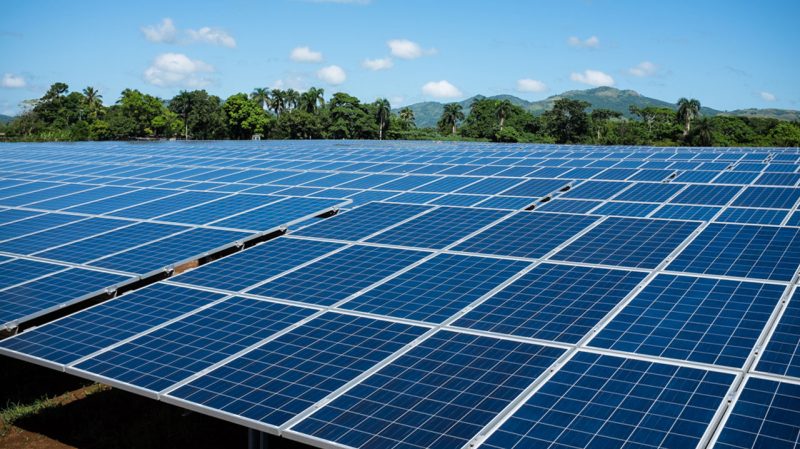
Pan-African clean energy firm WeLight has unveiled a $650 million plan to scale up solar mini-grid projects across Nigeria, an investment worth about ₦975 billion aimed at bringing electricity to millions in areas with poor or no grid supply.
The announcement was shared on X by Olusegun Dada, Special Assistant to the President on Social Media.
According to WeLight, the program is expected to grow its rural customer base by ten times and speed up access to dependable, clean power in parts of the country that remain largely unserved.
The company, which already runs decentralized solar mini-grids in several African nations, said the new rollout will target communities left out of the national grid managed by the Transmission Company of Nigeria.
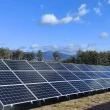
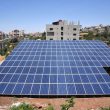
Instead of relying on long-distance transmission lines, WeLight will install localized solar photovoltaic systems paired with lithium-ion battery storage to deliver power directly to homes and businesses. The model is designed to cut transmission losses and shield communities from nationwide grid collapses.
Officials noted the timing is critical as many Nigerian towns still depend on diesel and petrol generators because of frequent outages and insufficient supply from the central grid.
WeLight said it will prioritize rural and agricultural areas where steady electricity can drive productivity. Planned uses include agro-processing, irrigation, cold storage, and small-scale manufacturing.
Both residential and commercial customers will be connected under the expansion, which the company says will significantly close the electricity access gap in historically neglected regions.
“Our mini-grids are built to match local demand,” a company statement read. “This ensures communities get continuous power without depending entirely on the national network.”
The $650 million commitment comes weeks after WeLight raised $31 million in new capital to accelerate its entry into Nigeria and other African markets. The round included investment from the International Finance Corporation, the World Bank Group’s private-sector arm, alongside existing backers.
The firm pointed to similar projects in East Africa as proof of concept. In Kenya, for example, the Rural Electrification and Renewable Energy Corporation has worked with private developers to roll out solar mini-grids in Turkana, Garissa, and Marsabit counties.
Nigeria continues to grapple with a major electricity shortfall, with millions of households and businesses forced to self-generate. Off-grid renewable solutions like solar mini-grids have gained traction among government agencies, development banks, and private investors as a faster way to expand access.
Energy experts say investments such as WeLight’s are part of a wider push to electrify Africa, particularly in countries like Nigeria and the Democratic Republic of Congo that have some of the largest populations globally without reliable power.