


MTN Nigeria has sealed a new clean energy agreement with First WATT Renewable Limited to power its telecommunications infrastructure with large-scale renewables, as the company pushes to cut emissions and move away from diesel generators.
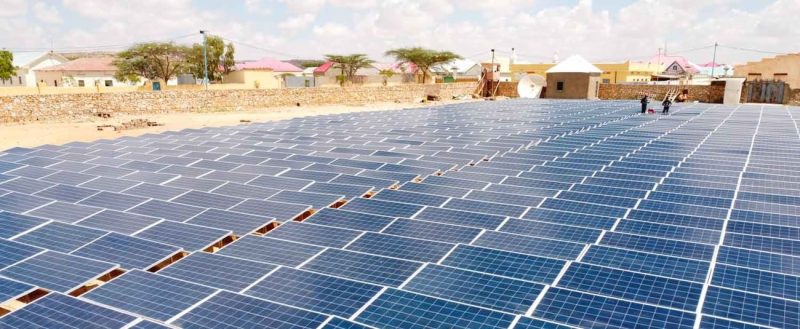
Under the deal, First WATT will deploy 34 MW of solar power and 40 MWh of battery energy storage across several of MTN Nigeria’s priority network sites nationwide.
The project is focused on improving network uptime and energy efficiency. A large number of telecom sites in Nigeria rely heavily on the national grid and diesel generators, both of which come with high costs and frequent disruptions.
With solar and battery systems in place, the affected sites will be able to run continuously even during grid outages. The batteries will capture surplus solar power generated during the day and discharge it at night or when sunlight is low. This is expected to reduce the use of fossil-fuel backups and drive down operational expenses across MTN’s core infrastructure.
“This collaboration reflects our commitment to building a more sustainable and resilient network for our customers,” an MTN Nigeria spokesperson said. “Clean energy is central to how we power the digital economy while managing our environmental impact.”
In addition to powering telecom equipment, the partnership will also roll out renewable-powered electric vehicle charging stations at selected MTN Nigeria locations. The EV charging points are part of the company’s wider sustainability roadmap and are intended to support the shift to low-emission vehicles in its fleet and staff operations.
The timing aligns with a broader trend across Nigeria and Africa, where large corporates are increasing investments in renewables to meet climate goals and strengthen energy security amid rising fuel costs and grid instability.
By bundling solar generation, battery storage, and EV charging into one program, MTN Nigeria is making a clear move to reduce its carbon footprint while future-proofing its operations.
Industry observers note that the project could serve as a reference for the telecoms sector, demonstrating how critical infrastructure can be decarbonized at scale while supporting Nigeria’s broader energy transition goals.
First WATT Renewable Limited confirmed that installations will be carried out in phases, starting with sites that have the highest energy demand. The company said the phased approach will allow for performance monitoring and optimization before a wider expansion.