


The United Nations Development Programme has urged countries to speed up their move away from fossil fuels to renewable power, cautioning that continued reliance on oil leaves nations exposed to conflict, supply shocks, and environmental harm.
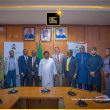
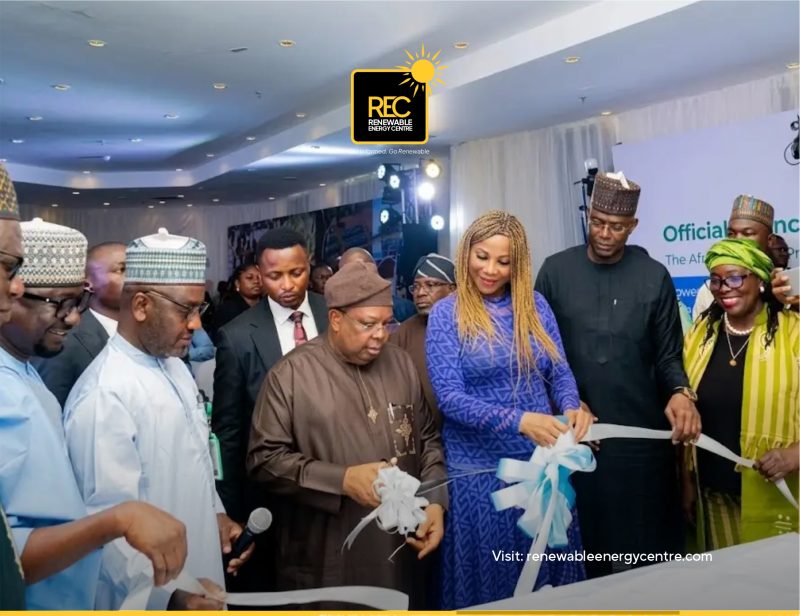
Speaking at the Abuja launch of the Nigeria component of the Africa Minigrids Programme on Thursday, UNDP Resident Representative in Nigeria, Ms. Elsie Attafuah, said recent global energy developments have underscored the pressing need for energy systems that are both cleaner and more resilient.
She pointed to ongoing geopolitical tensions as evidence of the world’s vulnerability when it depends heavily on petroleum. Citing the Strait of Hormuz, she noted that the waterway only gained widespread attention during the recent Iran-related crisis, yet any interruption there would have far-reaching consequences worldwide.
According to Attafuah, the central challenge is no longer the availability of oil and gas reserves, but the instability of international supply chains that can bring economies to a standstill when they are disrupted. She further observed that many African oil-producing states have endured extended conflicts tied to petroleum resources.
In contrast, she said Africa has vast renewable energy potential that can support long-term growth without triggering resource-driven disputes. She added that expanding clean energy would also cut pollution and help address the climate impacts already affecting the continent.
Attafuah described the Africa Minigrids Programme as one of UNDP’s most far-reaching energy access efforts. The initiative was unveiled with UNDP Administrator Achim Steiner at COP27 in 2022. She said it breaks away from piecemeal, donor-driven rural electrification by using a model built for scale and driven by private capital.
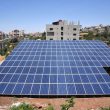
The programme, she explained, emphasizes sustainability and business viability by opening space for private investors while supplying low-cost clean power to communities that are off the main grid. Communities that once relied on expensive diesel, she added, would now pay for electricity from renewable mini-grids, allowing investors to recoup costs and reducing overall energy expenses.
She argued that Africa is uniquely placed to lead a global transition to renewables, given that millions still lack electricity and the continent is not locked into extensive legacy fossil infrastructure. Governments, she said, should treat renewable mini-grids as strategic, long-term investments that can reshape national power systems over the next 20 years, rather than as isolated rural projects.
On Nigeria’s role, Attafuah said the country was chosen as the programme’s flagship because of its established renewable energy framework and government support, which make it well-positioned to attract new international financing. She noted that the initiative is already producing concrete outcomes, and stressed that its ultimate measure of success will be the wider social and economic change it delivers, beyond just megawatts of electricity.